Landscape Design in Kew: How Different Pockets Shape the Outcome
Kew is often treated as a single suburb, but in practice, landscape design outcomes vary significantly depending on the specific pocket. Differences in block size, topography, vegetation and architectural character all influence how a landscape should be approached.
Understanding these variations is key to achieving a landscape design that feels resolved, functional and connected to its setting.

Yarra Bend & River-Adjacent Areas
Properties closer to Yarra Bend Park and the Yarra River tend to have a stronger connection to the surrounding natural landscape.
These sites often feature:
Sloping topography and irregular levels
Native or remnant vegetation
Strong microclimates influenced by canopy and orientation
Landscape design in these areas typically responds to the natural setting, with planting used to soften boundaries and integrate the garden with the broader landscape. Managing levels, drainage and access is often a primary driver of the layout.
Central Kew & Established Residential Streets
In central Kew, the character shifts toward larger, established residential properties with a strong architectural presence.
Common characteristics include:
Larger blocks with deeper setbacks
Mature canopy trees and established planting
Period homes, often with heritage overlays
Here, landscape design is often about working within existing structure. Retaining significant trees, aligning with architectural symmetry and introducing clear spatial organisation are key to achieving cohesive outcomes.
Kew Junction & Higher-Density Edges
Areas around Kew Junction tend to have smaller blocks and a more urban character.
These sites often involve:
Reduced outdoor space
Greater need for privacy and screening
Closer proximity to neighbouring properties
Landscape design in these contexts becomes more architectural, with a focus on efficient spatial planning, controlled views and low-maintenance planting that supports everyday use.
Kew East & Contemporary Residential Areas
Moving into Kew East, the housing stock and site conditions shift again, with a higher proportion of post-war and contemporary homes.
Typical characteristics include:
More consistent block sizes
Simpler site geometry
Greater flexibility in planning and layout
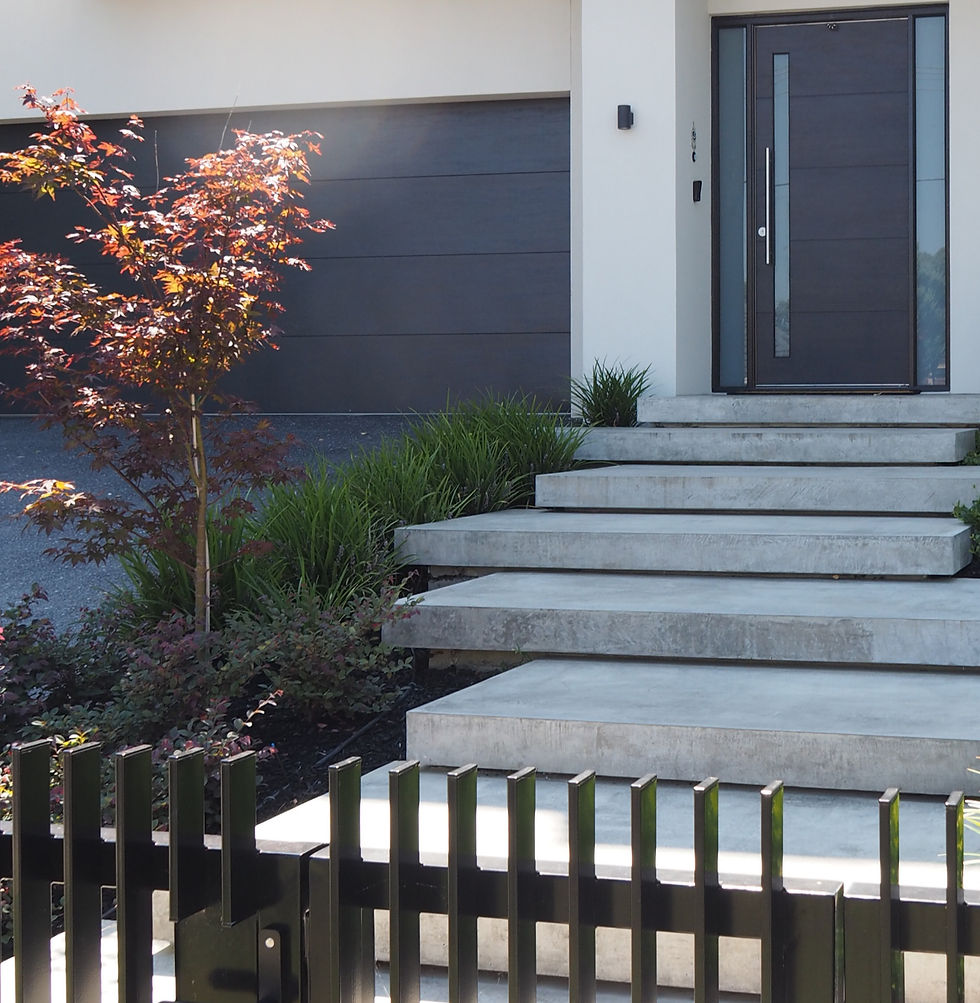
Landscape design in these areas often allows for more structured outdoor living spaces, with contemporary material palettes and planting used to define space without the same heritage constraints found in other parts of Kew.
Why These Differences Matter
While all of these areas sit within Kew, the landscape design approach should not be uniform.
A successful outcome responds to:
The scale and geometry of the site
Existing vegetation and canopy
Architectural style and planning context
How the outdoor space will be used over time
Recognising these differences allows for landscape design that feels appropriate to its setting rather than applied generically.
A Site-Responsive Approach to Landscape Design in Kew
Across all areas of Kew, the most effective landscape design begins with a careful reading of the site.
Rather than applying a fixed style, our approach focuses on:
Working with existing levels and topography
Retaining and integrating established trees where possible
Organising space clearly before considering materials or planting
This results in landscapes that are functional, cohesive and tailored to the specific conditions of each site.
Planning a landscape project in Kew?
We provide tailored landscape design services across Kew and Melbourne’s inner east, responding to site conditions, planning requirements and architectural context.

Comments